Free Consultation
No Win, No Fee
Free Consultation
No Win, No Fee
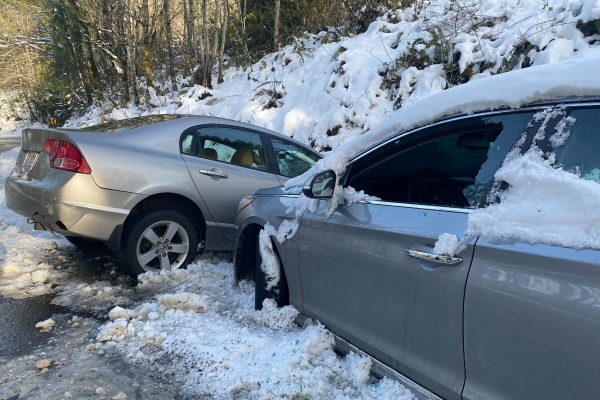
Our tips for avoiding car accidents during Utah snowstorms start with knowing the risk. Winter weather causes over 20 percent of vehicle crashes in Utah each year, according to traffic reports. Snow, ice, and poor visibility raise crash risk across Salt Lake City and highways statewide. These car accidents often lead to injuries, road accidents, and traffic-related fatalities. We created this guide at ReshLaw Accident & Injury to share clear driving tips that help keep you safe.
Safe winter driving starts before you turn the key. A prepared vehicle handles snow and ice better and reduces sliding and skidding. Winter conditions in Utah demand extra care with brakes, tires, and visibility tools. We often see collisions caused by poor vehicle performance. Simple precautions can lower your risk during the winter months.
Winter tires give better traction on snow and ice than all-season tires. They improve braking, steering, and control during icy driving conditions. Tire tread depths matter, especially during snowfall and slush. Cold weather lowers tire pressure, which hurts grip and braking. Check tire pressure often and consider chains, snow socks, or traction devices when road conditions worsen.
A full winter checklist helps prevent breakdowns and crashes. Cold drains the car battery and stresses brakes and coolant systems. Clear visibility matters during snowstorms and low light. We advise drivers to inspect these items before winter trips.
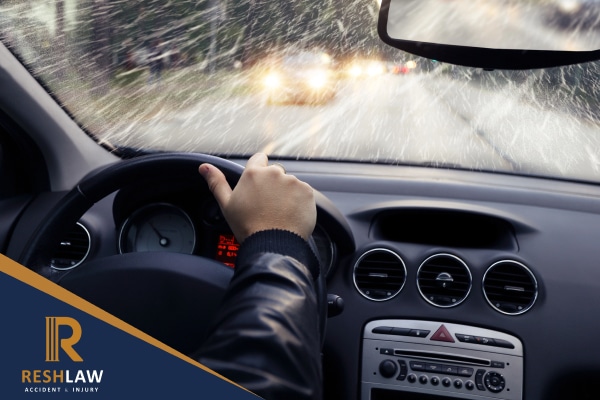
Even with a prepared vehicle, your driving behavior matters most during Utah winter storms. Snowy conditions and poor road conditions raise the risk of a collision. Many motor vehicle accidents happen because drivers fail to adjust speed and space. Winter driving conditions demand patience and focus. We see many ice-and-storm-related car accidents that simple changes could prevent.
Lowering speed is critical on slick roadways in Utah. Driving below the speed limit improves safety and helps prevent rear-end collisions and slide-offs. Increase your following distance to at least five or six seconds. Avoid sudden moves that cause slipping or a fishtail. Speeding in winter weather conditions can be negligence.
Skids happen fast on black ice and icy overpasses. Stay calm and steer gently in the direction the vehicle is sliding. Sudden braking can worsen a skid and cause loss of control. If your car lacks ABS, pump the brakes slowly. Traction devices can help reduce sliding on winter road conditions.
Smart planning can prevent traffic incidents and multi-car crashes. Sometimes the safest choice is to delay travel during severe winter weather conditions. If you must drive, plan every detail. Utah drivers face changing road conditions within minutes. We urge drivers to prepare before each trip.
The Utah Department of Transportation offers tools to track roadways in real time. UDOT cameras show snowplows, traffic, and black ice risks. These tools help avoid dangerous routes and delays. Utah Highway Patrol also shares updates during storms. Checking conditions reduces accident risk.
Winter trips take longer due to snow and ice. Rushing raises crash risk and stress. Share your route and arrival time with someone you trust. This helps first responders if trouble occurs. Planning time prevents speeding and unsafe choices.
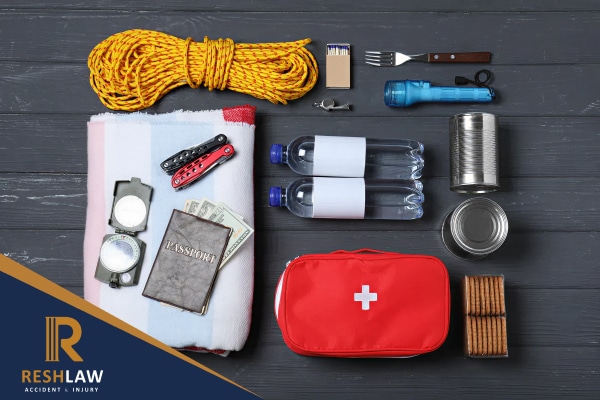
Every vehicle in Utah should carry an emergency kit in winter. Slide-offs and breakdowns can leave drivers stranded for hours. Cold increases the risk of hypothermia and frostbite. A kit protects your safety until help arrives. We often see winter injuries linked to poor preparation.
Warmth and visibility matter during winter emergencies. These items help prevent serious harm while waiting for help. They also support first responders during rescue. Keep supplies easy to reach.
Recovery tools help you escape the snow and call for help. Many items are easy to buy at an auto store. These supplies can prevent a long wait in the dangerous cold. Power and visibility save lives.
Utah’s geography creates unique winter driving risks. Mountains, canyons, and shaded roads freeze fast. Conditions vary between valleys and passes. Drivers must stay alert to changing traction. Many auto accidents happen in these areas.
Mountain routes change quickly during storms. Snowfall and wind reduce visibility and traction. Grades increase stopping distance and slide risk. Drivers should slow down and stay alert. These areas often see serious collisions.
Black ice blends into roadways and is hard to see. It forms often on bridges, overpasses, and shaded roads. Sudden slipping can cause loss of control. Use low-beam headlights during snowfall. Staying alert reduces crash risk.

Even careful drivers can face an auto accident in winter. Snow and ice raise risks for everyone. Knowing what to do protects your health and claim. Calm steps reduce further harm. We guide clients through these moments often.
Your safety comes first after a collision. Move to a safe area if possible. Call 911 and wait for first responders. Document the scene if it is safe.
Seek medical attention for any pain, even if it feels minor. Winter car accident injuries can worsen later and require emergency room care. Speak with a personal injury attorney before talking to an insurance company. Early legal guidance protects your rights.
No, winter tires are not required by law. We recommend them for safety on snowy roadways. Some routes may still require chains or traction devices during storms.
Increase your following distance to at least five or six seconds. This extra space helps prevent an auto accident on slick roadways. It allows safer braking in snow.
Using a lower gear helps control speed in winter driving. It reduces heavy braking on icy roadways. This improves traction and control.
Driving too fast for conditions is the biggest mistake. Speed limits assume dry roads, not snow and ice. Slowing down greatly lowers crash risk.
No, slamming brakes can cause loss of control. Ease off the gas and steer gently where you want to go. Sudden moves increase skidding.
Stay home during severe storm warnings or canyon closures. Driving in these conditions raises the risk of injury, hypothermia, and frostbite. Safety should come first.

Winter safety starts with simple steps like using seat belts, proper car seats, and clearing ice with deicer. Even careful drivers can suffer an auto accident caused by others. These crashes can lead to emergency room visits and serious harm. We know winter roadways increase risk, even when you wear a seatbelt and drive carefully. At ReshLaw Accident & Injury, we help injured drivers protect their rights and recover after crashes. Contact us today for a free consultation to discuss your case and next steps.


