Free Consultation
No Win, No Fee
Free Consultation
No Win, No Fee
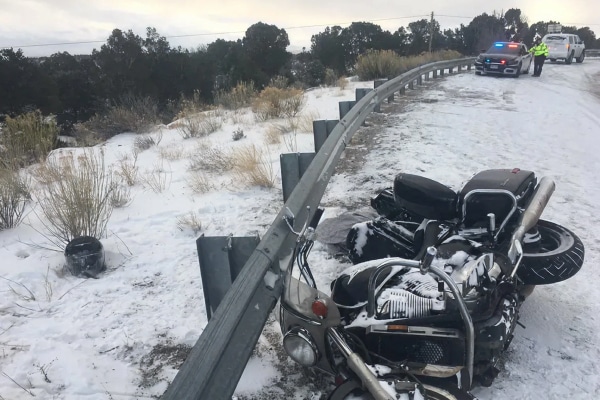
lt contribute to motorcycle accidents in Utah by reducing traction, hiding hazards, and changing vehicle performance during the winter months. We see more motorcycle crashes in late fall and early spring, when snow, rain, and unseasonably warm temperatures mix on roadways.
Data from the Utah Department of Public Safety and national traffic reports show many crashes are linked to winter weather conditions and slick roads. These hazards increase injuries, head injury risk, and even motorcycle crash deaths. At ReshLaw Accident & Injury, we share this guide to explain these dangers and the legal options under Utah law.
Motorcycles face greater danger in winter because they lack balance, support, and enclosed protection. We often explain that cars handle snow and ice better because they have four wheels and seatbelts. A motorcycle relies on balance, speed control, and clear visibility to stay upright. In snowy conditions, even small changes in road conditions can cause a collision. This makes winter driving far more risky for riders across Utah.
A motorcycle depends on two small tire contact points for grip. Snow, ice, frost, and road salt reduce grip, leading to skidding or fishtailing. Speeding or short following distance makes this worse, especially on highways. Brakes can lock even with antilock brakes, leading to slide-offs. Many Utah motorcycle accident cases start with a sudden loss of traction.
Winter weather lowers visibility for riders and drivers alike. Fog formations, snowfall, road spray, and smog can block sight lines. Short winter days and cloudy skies make bright colors and working lights vital for motorcycle safety. Drivers distracted or making snap judgments may not see a rider in time. This raises the risk of rear-end collisions and multi-car crashes.
Cold weather affects the rider’s body and reaction time. Numb hands reduce brake and throttle control. Cold rain and snow lower focus and increase fatigue. During winter days, these factors slow the response to traffic incidents. This physical exposure adds to the danger of riding in winter conditions.
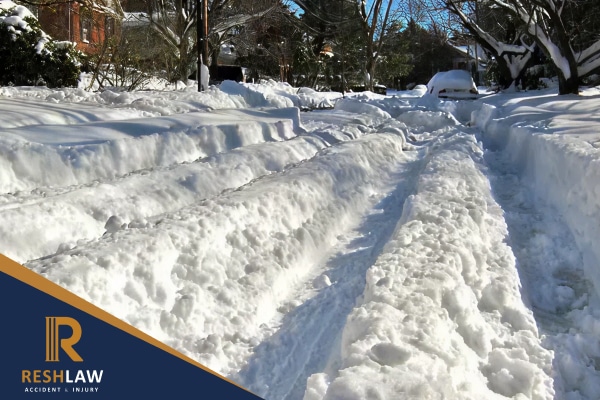
Snow and ice create unstable and changing road surfaces that threaten motorcycle control. Unlike summer car accidents, winter motorcycle crashes often happen without warning. Utah roadways can shift from wet to frozen within minutes. Snowplows and traction notices may help, but risks remain. We often see these dangers play a role in serious motorcycle injuries.
Black ice forms on bridges, overpasses, and shaded areas. It blends into the road and gives no warning. When a motorcycle leans, black ice can cause instant loss of control. Many crashes happen below the speed limit because grip disappears. This hazard is common during winter storms and early mornings.
Cars leave deep ruts in snow-covered roadways. Motorcycle tires can get trapped in these uneven surfaces. This leads to wobbling, skidding, or sudden falls. Potholes hidden by snow add to the risk. These conditions are common near ski resorts and narrow, winding stretches.
Slush forms when snow mixes with water and road salt. It is heavy and can cause the front wheel to pull to the side. Steering becomes hard, and braking distance increases. Slush often builds near intersections, crosswalks, and traffic lights. Many motorcycle crashes start when slush causes a sudden loss of balance.
Road salt does more than melt ice on Utah roadways during winter storms. We see it create hidden risks that affect vehicle control and motorcycle safety. After snowplows pass, salt mixes with moisture, altering road conditions. These weather conditions increase crash risk on highways and local streets, including in Salt Lake City. Most of us do not realize how long these dangers last after storms end.
When salt dissolves, it leaves a wet film on the road. This film lowers grip, even when snow and ice are gone. Motorcycle tires lose traction faster than car tires. Speeding or poor tire pressure makes this worse. Many car accidents and motorcycle injuries happen during these conditions.
Salt speeds up rust on chains, brakes, and frames. Over time, this weakens parts and hurts vehicle safety. A corroded brake line or chain can fail without warning. Battery connections can also corrode in winter. These failures increase motor vehicle accidents and traffic fatalities.
Salt and sand can hide potholes, lane lines, and debris. Snow-covered mountains and smog can further reduce visibility. Riders may miss hazards until it is too late. These hidden dangers cause road accidents and increase the risk of hit-and-run incidents. Winter road conditions demand extra care.
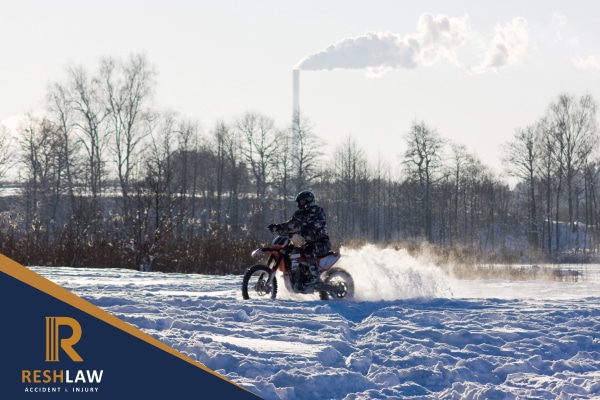
Winter riding in Utah requires changes in how we ride and what we wear. Road conditions are changing quickly with unseasonably warm temperatures and new storms. We stress planning, patience, and respect for traffic laws. Motorcycle safety depends on skill and preparation. Small mistakes can lead to serious motorcycle injuries.
Riders must slow down and avoid sudden moves. We recommend:
Cold-weather gear is essential for winter riding. Riders should use:
We urge riders to inspect bikes before every trip. Check tire pressure, tread, and brake response. Look for rust from salt on chains and bolts. DOT standards exist to reduce the risk of failure. These checks protect against avoidable crashes.
Fault in winter crashes is often complex under Utah law. Weather reports, traffic conditions, and driver responsibility all matter. Insurance companies may blame storms or call events an Act of God. We know this is not always true. Liability rules still apply in winter.
Drivers must adjust for winter weather and weekend traffic. Alcohol impairment, drinking, and distracted driving still count as negligence. Failing to follow seat belt laws also matters. The weather is not a legal excuse. A personal injury attorney can prove violations of the duty of care.
Sometimes the Utah Department of Transportation or a city shares fault. Poor snowplow timing or missed snow chains notices can worsen hazards. Improper care on highways can break driver trust. Accident reconstruction experts review these cases. DOT standards guide safe maintenance.
Utah uses comparative negligence to assign fault. A rider’s choices, like riding during storms without snow tires, may reduce recovery. Insurance companies review each action closely. We use accident reconstruction to defend fair claims. This approach protects victims of fatal car accidents, pedestrian accidents, and wrongful death cases.

After a winter motorcycle crash, we focus first on health and legal protection. Snow, ice, and salt can hide injuries and confuse fault. The Utah Highway Patrol often responds to these crashes and creates key reports. Traffic-related fatalities and traumatic brain injuries are real risks in winter riding. Acting fast helps protect your recovery and your claim.
We advise gathering evidence before leaving the scene if you can do so safely. Call the Utah Highway Patrol and request a formal report. Use your phone to document:
Always seek medical care right away, even if the pain feels minor. Winter crashes often cause hidden injuries, including traumatic brain injuries. Go to the emergency room or urgent care as soon as possible. Keep records of every visit, test, and treatment. These records link your injuries directly to the crash.
Insurance adjusters may call quickly and push for statements. We recommend speaking with a lawyer first to protect your rights. Before any recorded call:
Winter riding is always high risk in Utah. Conditions change fast during storms. We advise avoiding snow and ice whenever possible. A short road trip can quickly become dangerous.
Riding alone does not make you at fault. Fault depends on behavior and conditions. Speed, visibility, and lane filtering may matter. Each case is reviewed on its facts.
Coverage often applies if you carry collision insurance. The weather does not cancel coverage. Liability may apply if another vehicle is damaged. Policy details still control payment.
You should contact a lawyer experienced with motorcycle cases. Winter crashes involve complex evidence. A personal injury attorney understands road hazards. This experience improves outcomes.
Utah has strict deadlines for injury claims. Some cases have shorter limits. Missing deadlines can end your case. Early legal advice is critical.
Government claims may be possible in some cases. These claims have special rules and short deadlines. Evidence must show unsafe maintenance. Legal help is essential right away.

Winter motorcycle crashes cause serious harm, from road rash to traumatic brain injuries. Insurance companies often blame the weather instead of negligence. We know how winter conditions affect fault and proof. At ReshLaw Accident & Injury, we investigate road conditions, reports, and rider conduct. Contact us today for a free, confidential case evaluation to protect your rights and recovery.


