Free Consultation
No Win, No Fee
Free Consultation
No Win, No Fee
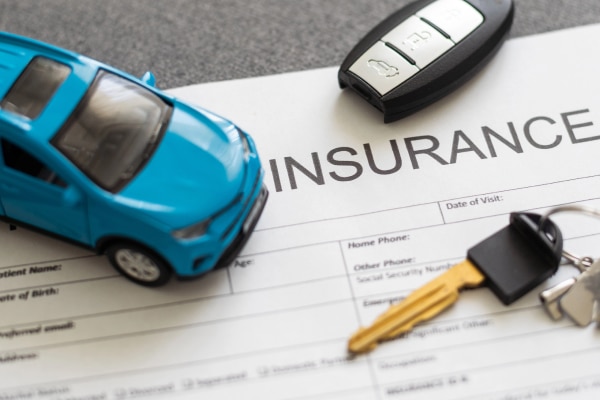
How car rental insurance works after an accident in Utah depends on several insurance layers and Utah law. A rental car accident often brings stress about damage, claims, and out-of-pocket expenses. Utah is a no-fault insurance state, which changes how drivers handle medical bills after an auto accident. Insurance coverage may come from your auto insurance policy, the rental car coverage, or even credit cards. We at ReshLaw Accident & Injury explain these rules so drivers can protect their rights and file proper claims with confidence.
Understanding Utah’s legal framework is the foundation for handling a rental vehicle accident. Utah law governs how insurance providers process claims and settle claims. It also defines how liability insurance and personal injury protection apply. Many drivers do not realize their Utah car insurance policy may extend to a rental vehicle. We help clients understand coverage limits and avoid mistakes when filing claims.
Utah requires personal injury protection under every auto insurance policy. This coverage pays medical bills after a car accident, no matter who caused the crash. Drivers use their own insurance carrier first for bodily injury claims. This rule also applies when driving a rental car in Utah. We review policies to confirm available insurance coverage.
The Graves Amendment limits liability for rental car companies after an accident. It usually protects rental companies from claims caused by driver negligence. Responsibility shifts to the driver’s insurance company or other insurance providers. Rental agreements and fine print still matter in some cases. We examine contracts to see if exceptions apply.
Utah follows a comparative negligence rule for accident claims. Your settlement may drop if you share fault for the auto accident. Compensation is reduced by the percentage of responsibility you bear under Utah law. This applies to property damage and injury claims alike. We build strong settlement demands to reduce fault arguments and protect your recovery.

Insurance coverage for a rental car can come from several sources, and they often overlap. This can confuse drivers after a crash during a trip. Coverage may include your car insurance, rental car coverage, or even your credit card. The fine print in policies matters more than most people expect. We help clients sort this out and offer a free consultation for legal guidance.
Your personal auto insurance policy often extends to a rental vehicle. This may include liability, collision insurance, and comprehensive insurance. Coverage depends on your policy limits, deductibles, and exclusions. Some policies exclude auto rental use or have rental duration limits. We review policies with your insurance agent to confirm auto insurance coverage.
Rental companies sell optional insurance at the counter, which can quickly raise costs. Common options include:
Some credit cards offer rental car coverage if used to book the auto rental. This coverage usually applies only to property damage to the rental car. It is often secondary and requires you to decline the rental company’s collision coverage. Exclusions are common, so the reimbursement process can be strict. We help clients confirm benefits before filing an insurance claim.
Your actions right after a rental car crash affect safety and your insurance claim. Insurance companies rely on early details when reviewing property damage and injuries. Delays can hurt reimbursement coverage or the strength of settlement demand. Always think about documentation and transportation needs. We guide clients through each step to avoid mistakes.
Start by moving to a safe place and checking for injuries. Call 911 and wait for help to arrive. Gather key evidence at the accident scene, including:
A police report is critical for any insurance claim. You must also notify the rental car company right away under most contracts. Contact your insurance company to open a claim and ask about reimbursement. Keep copies of all reports and emails. We help clients coordinate these early notices.
Do not admit fault or guess what caused the crash. Avoid giving recorded statements without speaking to attorneys or a personal injury attorney. Do not delay medical care if you feel pain later. These steps protect your claim and future settlement demand. We help clients avoid common errors that reduce compensation.

Fault decides which insurance policies apply and who pays. Utah rules can affect how coverage stacks after a rental car crash. Claims may involve multiple insurance companies. Understanding this helps protect the value of your car and repair costs. We explain these rules clearly under personal injury law.
Your personal car insurance is usually primary coverage. Rental car coverage or credit cards may act as secondary layers. Collision insurance often covers vehicle repair or a total loss. Deductibles still apply in many cases. We help pursue reimbursement when available.
You usually file an insurance claim with the other driver’s insurer. Problems arise with uninsured motorist or underinsured motorist drivers. Claims may take longer when coverage is limited. We help clients push back and protect reimbursement rights. Personal injury lawyers can step in if talks stall.
Rental companies may charge additional fees after an accident. These often include:
Insurance may not cover all of these costs. We challenge improper charges and work toward fair reimbursement.
Utah law gives drivers clear rights to rental coverage after a crash. These rights depend on who caused the accident and what car insurance applies. Many drivers face delays because insurance companies check liability coverage first. The fine print in your policy can affect reimbursement coverage during a trip. We help clients understand these rules and deal with disputes.
When another driver causes the crash, their insurance company must pay for a rental car. Utah law requires coverage for reasonable rental costs while repairs happen. This includes time at body shops or damage reviews. Underinsured motorist issues can complicate this process. We work to enforce these rights quickly.
If you caused the crash, rental reimbursement depends on your own policy. You must have rental reimbursement insurance or rental car coverage to qualify. Some drivers rely on a non-owner auto insurance policy in limited cases. Homeowners' policies do not cover rental vehicles. We review your car insurance with your insurance agent.
Insurers often delay approval while they investigate fault. This can leave drivers paying out of pocket for transportation. You may need to seek reimbursement later through your policy. The Utah Department of Insurance offers guidance when delays become unreasonable. We help push back when insurers stall.
No. You can rely on car insurance or rental car coverage if it applies, but always check the fine print before declining.
Your personal collision coverage or rental reimbursement insurance may apply. Without coverage, the rental company may bill you directly.
Yes. If damages exceed all available insurance, you may be personally responsible for the remaining amount.
The at-fault insurer must pay from the accident date until repairs finish or a total loss settlement is reached.
The rental company may be liable if poor maintenance caused the crash.
Utah has strict deadlines. A personal injury attorney can explain the exact time limit for your case.

Rental car claims often involve several insurers, coverage layers, and strict deadlines. Insurance companies may limit rental coverage, delay reimbursement, or deny valid claims. You do not have to handle this stress alone. We step in as personal injury lawyers to deal with insurers, rental companies, and paperwork. Contact ReshLaw Accident & Injury today for a free consultation with a personal injury attorney who will protect your rights and guide you through every step.


